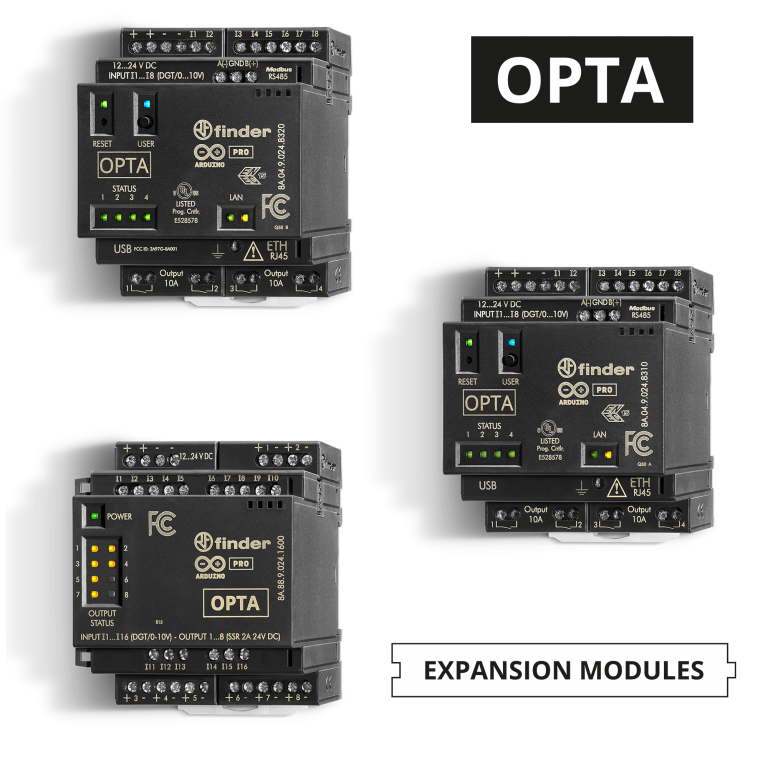
Innovation with OPTA for industrial paper-cutting machine control
In today's industrial environment, machine efficiency and precision have become critical drivers of operational performance, directly impacting production quality and minimizing processing errors.
SERIES 8A
As manufacturers increasingly seek advanced technological solutions to optimize processes, reduce downtime, and enhance product quality, strategic collaborations between innovative component suppliers and specialized systems integrators have emerged as a vital pathway for implementing successful upgrades. A prime example of this collaborative approach can be seen in a recent project where a panel-building and cabling specialist partnered with technology providers to integrate OPTA ADVANCED with an industrial paper-cutting machine – a solution that effectively addressed modern production challenges whilst delivering measurable performance improvements.
This project, developed in collaboration with a systems integrator, addressed a critical operational challenge stemming from the limitations of the company’s existing paper-cutting machine. The legacy PLC’s slow input processing prevented the accurate, real-time monitoring of motor revolutions, resulting in an inability to adjust cutting speeds dynamically – a fundamental requirement for maintaining product quality and production efficiency. To resolve these constraints, the initiative focused on replacing the outdated PLC with a high-performance solution capable of precise real-time RPM control and dynamic speed regulation, ensuring that the system could adapt seamlessly to varying production demands while overcoming the previous system’s performance contraints.
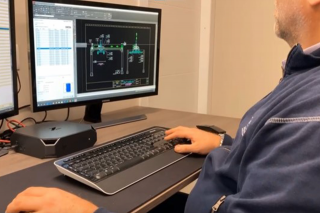
The solution to this technological challenge was the OPTA ADVANCED Programmable Logic Relay, chosen for its ability to process high-speed inputs – critical for accurately measuring the cutting machine’s motor revolutions.
The OPTA was configured with two dedicated contacts for dynamic motor speed control, delivering unprecedented responsiveness and precision. These inputs were linked to proximity sensors, ensuring fast and reliable RPM detection.
For real-time monitoring and control, the system utilized Modbus TCP/IP for seamless communication between the PLC and the HMI (operator interface). This allowed operators to make manual adjustments when needed, enhancing operational flexibility.
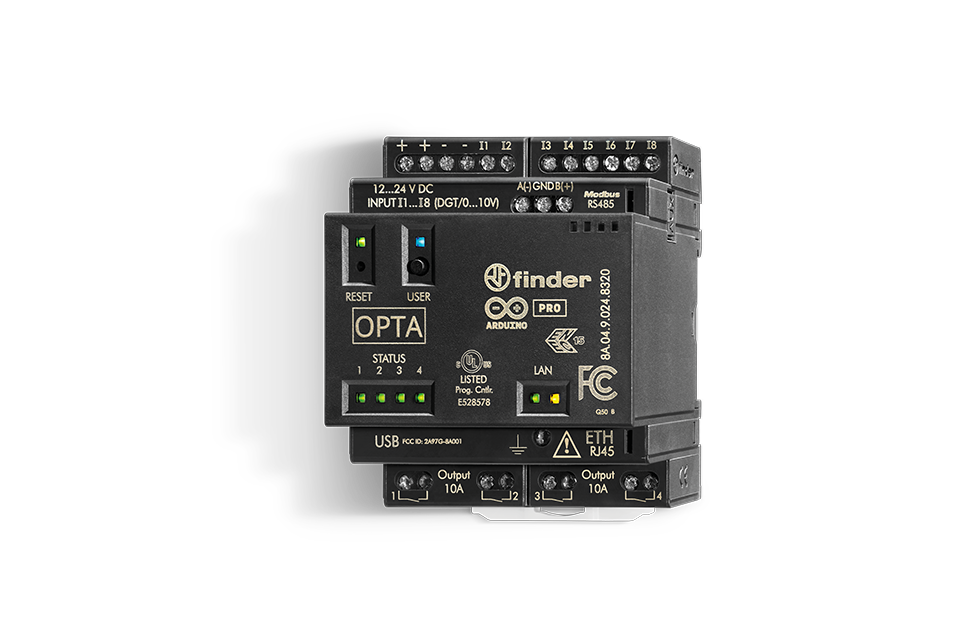
The integration of OPTA into the machining cycle not only resolved the immediate challenge of improving cutting speed control, but also unlocked future optimization opportunities for the systems integrator. As a multiprotocol gateway, OPTA supports Modbus RS485, Modbus TCP/IP (over Ethernet), Wi-Fi, and Bluetooth, providing seamless connectivity across different industrial communication standards.
For example, the Modbus RS485 port on OPTA, currently unused by this company, could enable daisy-chaining multiple OPTA units in a master-slave configuration, or integrating energy monitoring devices into the system, such as Finder’s 6M Series network analyzers or 7M Series MID energy meters.